Tag: Rotation 1

  • Initial Design Development Sensing Belonging: Re:Play

    Context and Progress

    As Rotation 1 concludes, this stage of my project marks the transition from research and conceptualisation to initial visual design development.
    Following my Sensing Belonging study at LSBU Sports Hall, my concept Re:Play was developed as a community-driven brand system that transforms the transient badminton environment into a space of reconnection and shared rhythm.
    Since the final submission is due in January 2026, these initial design assets represent an early visual exploration rather than a finished outcome.

    Working Process: Visual Exploration

    Before developing the initial brand assets, I focused on building a visual foundation through iterative experiments with typography, effects, colour palettes, and composition.
    This stage aimed to translate the energetic and rhythmic qualities of the badminton experience into a cohesive visual identity.

    Typography & Motion Effect Exploration

    I began by experimenting with different typographic treatments to express rhythm, speed, and repetition.
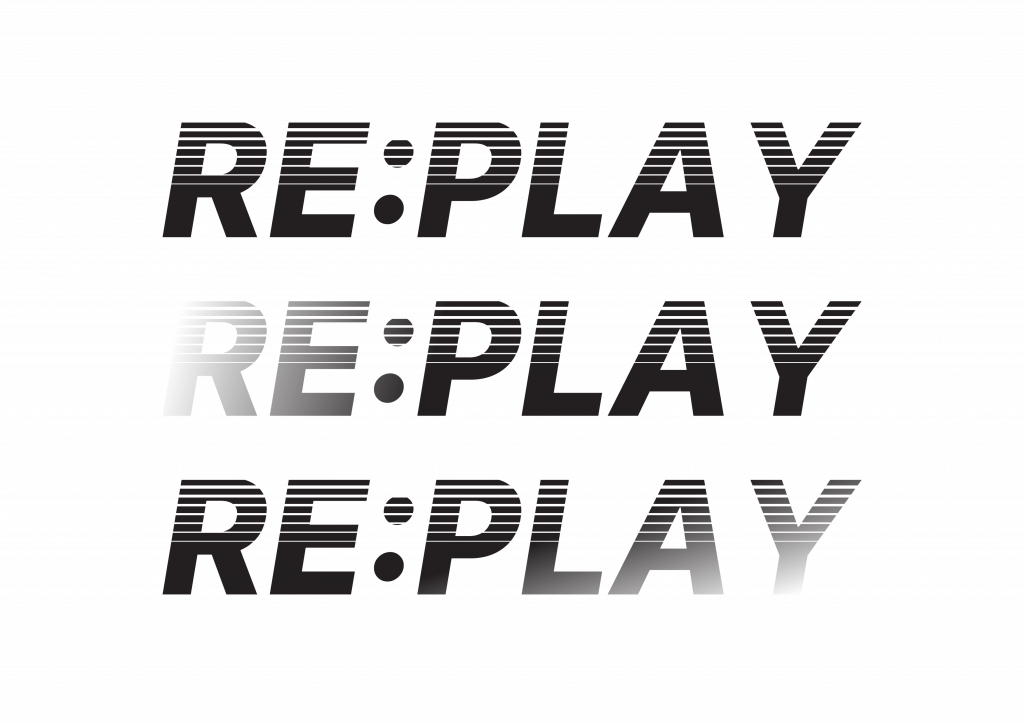
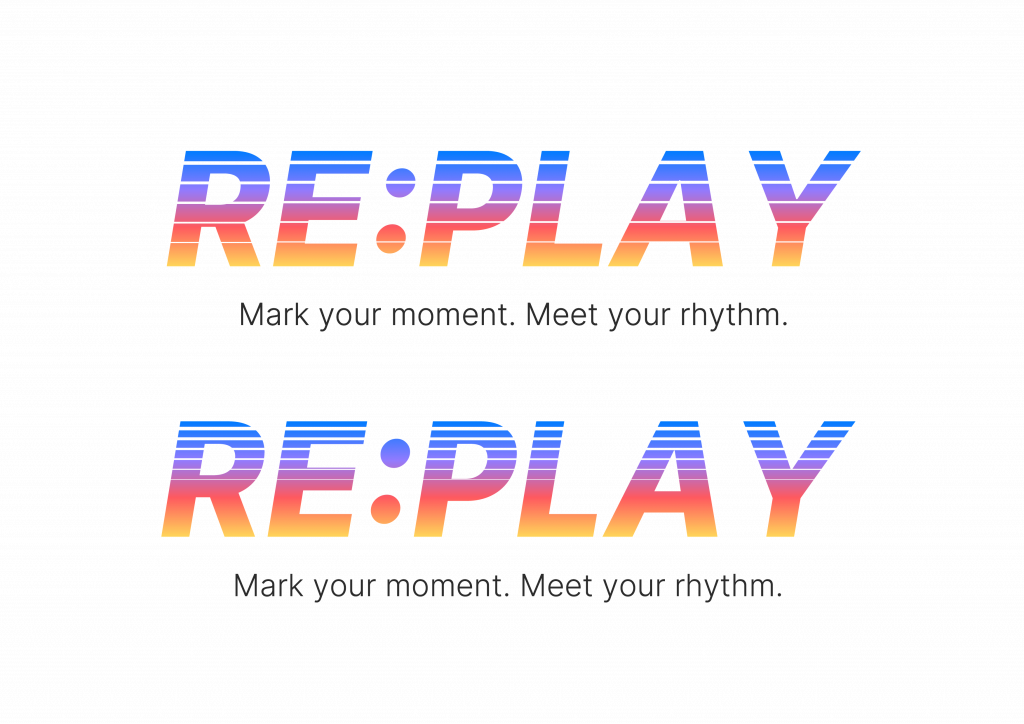
    Using motion-inspired line effects and angled letterforms, I tested how visual vibration could represent the sound and movement of rallies.
    These trials helped define the direction of the final wordmark dynamic yet structured, reflecting the collective rhythm of play rather than individual performance.

    Colour and Gradient Testing
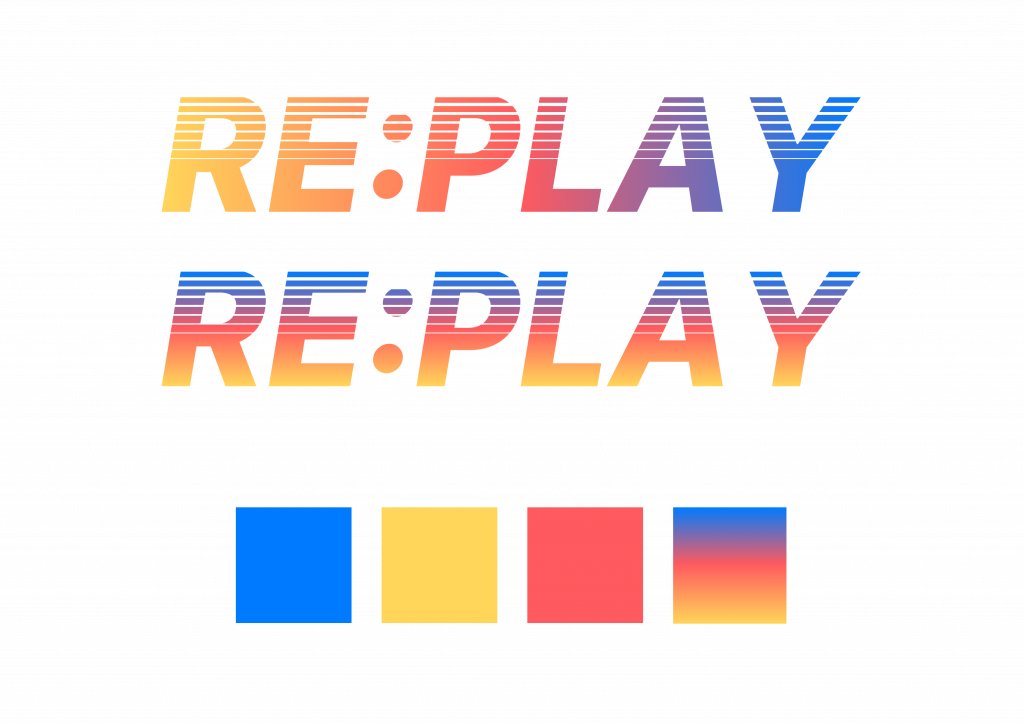
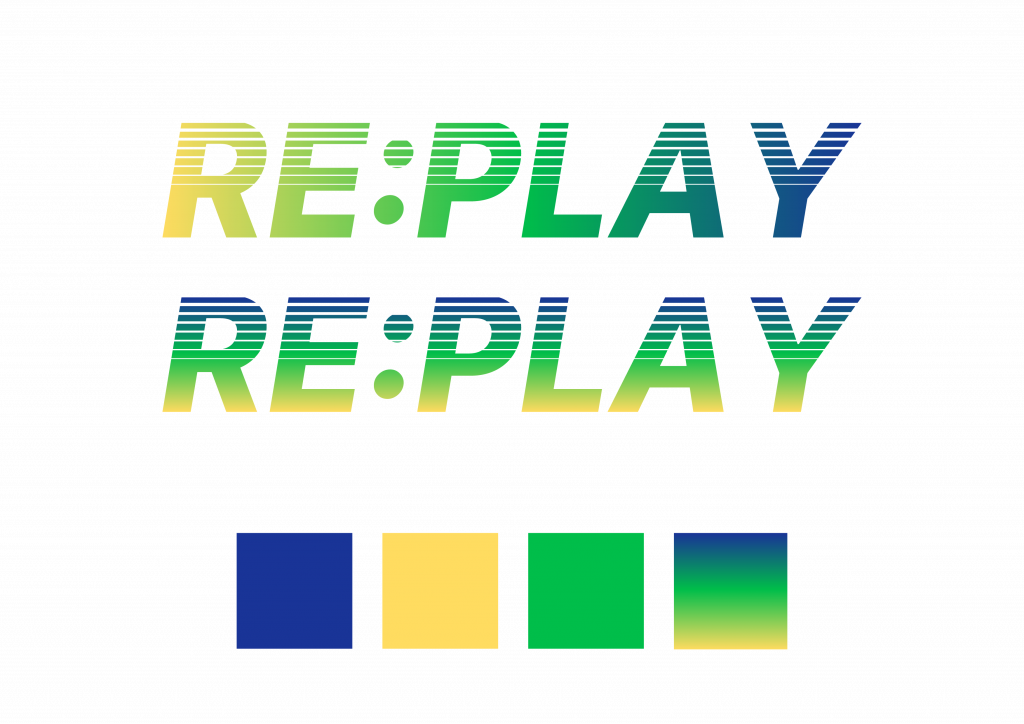
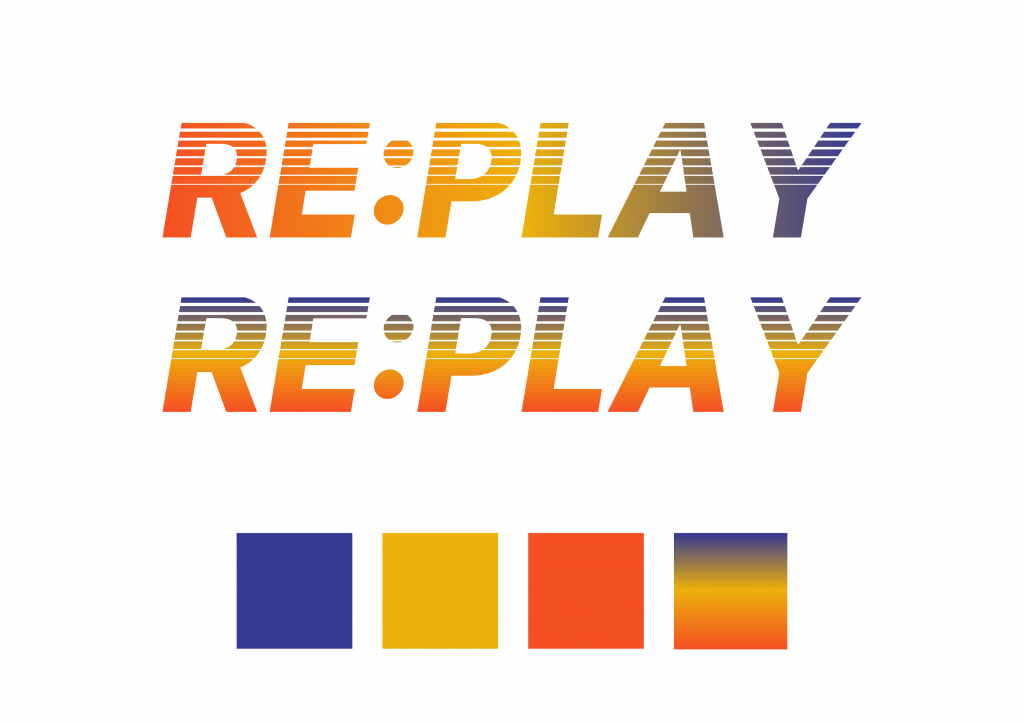
    Next, I explored several colour palette combinations, testing both solid and gradient applications.
    The goal was to find a balance between energy and inclusivity: colours that feel active and playful without being overly commercial.
    Gradients were particularly effective in visualising transition and connection echoing how players move, interact, and overlap across sessions.
    Through this process, I realised the gradient could symbolise diversity in rhythm rather than a fixed brand tone.

    Poster Illustration and Layout Experiments
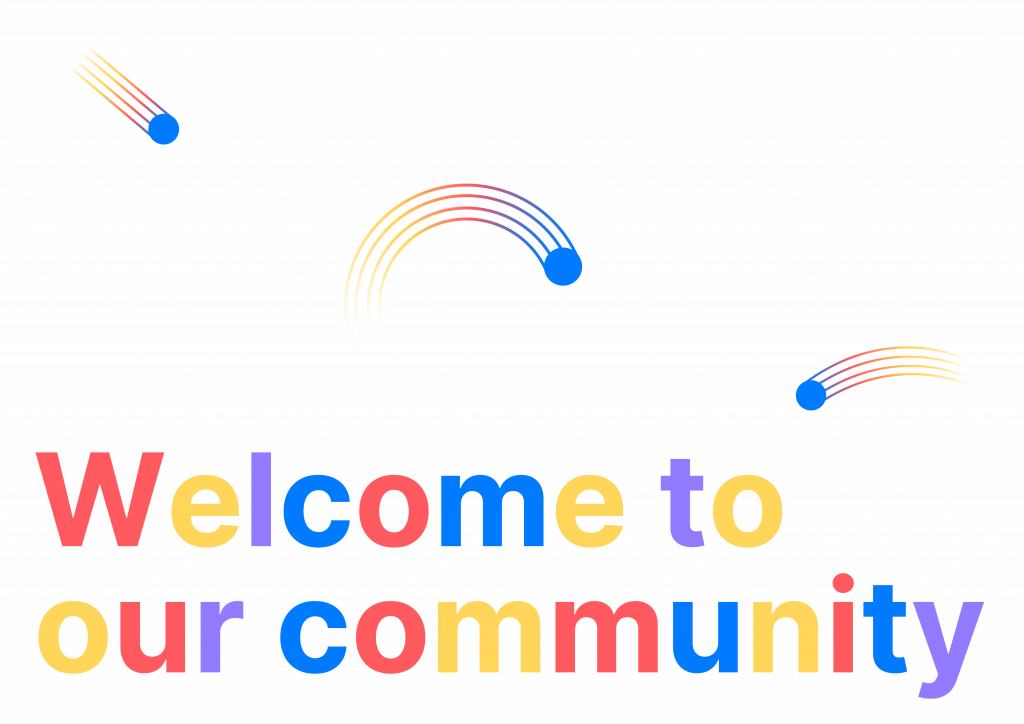
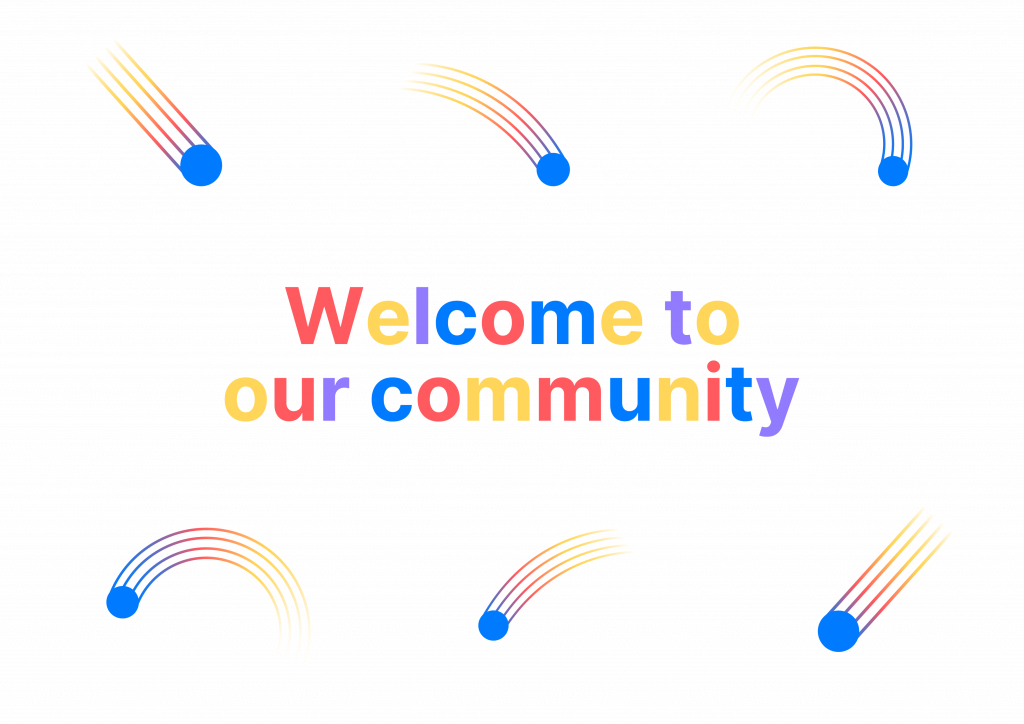
    The poster development began with testing the composition and visual rhythm of shuttle-inspired illustrations.
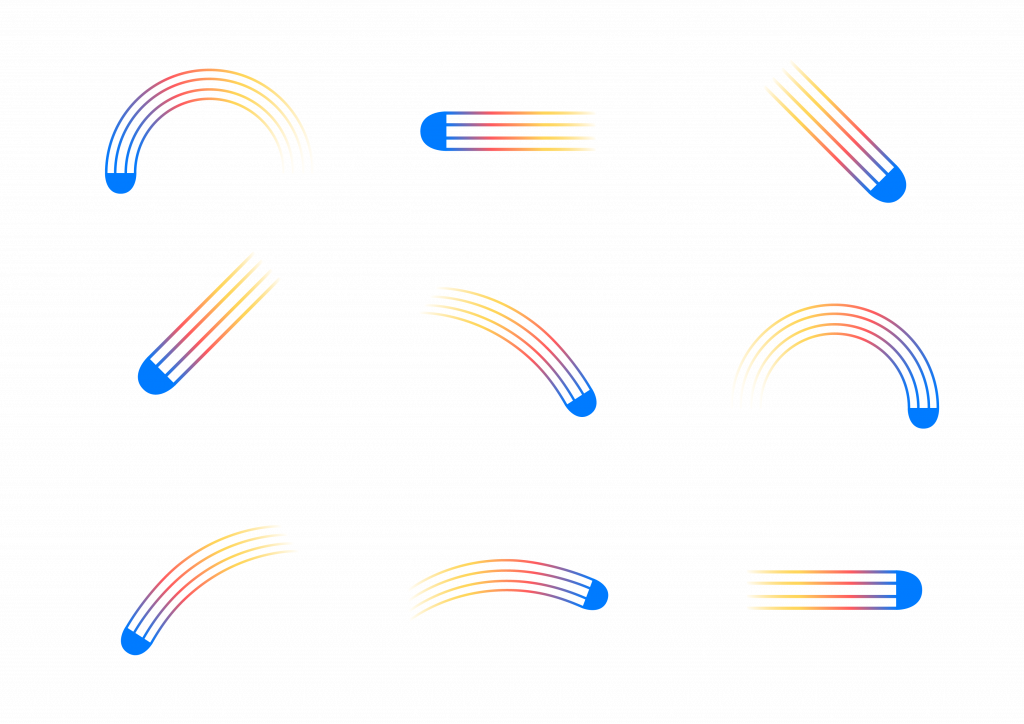
    Each curve was informed by actual badminton movements serve, smash, clear, drop, and drive transforming sport trajectories into graphic motion lines.
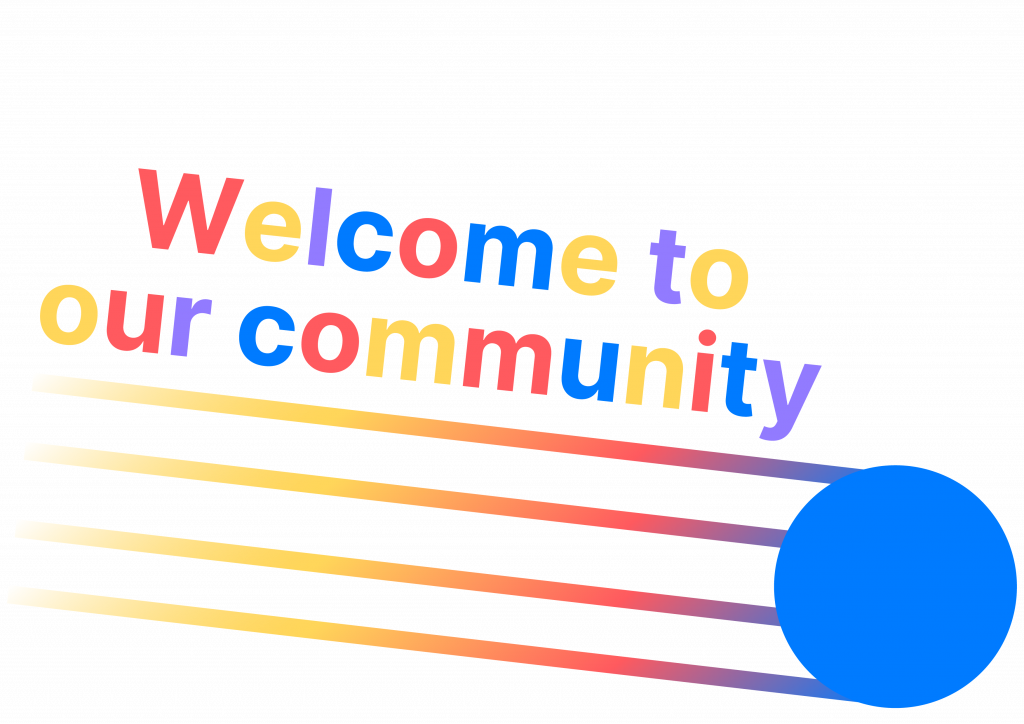
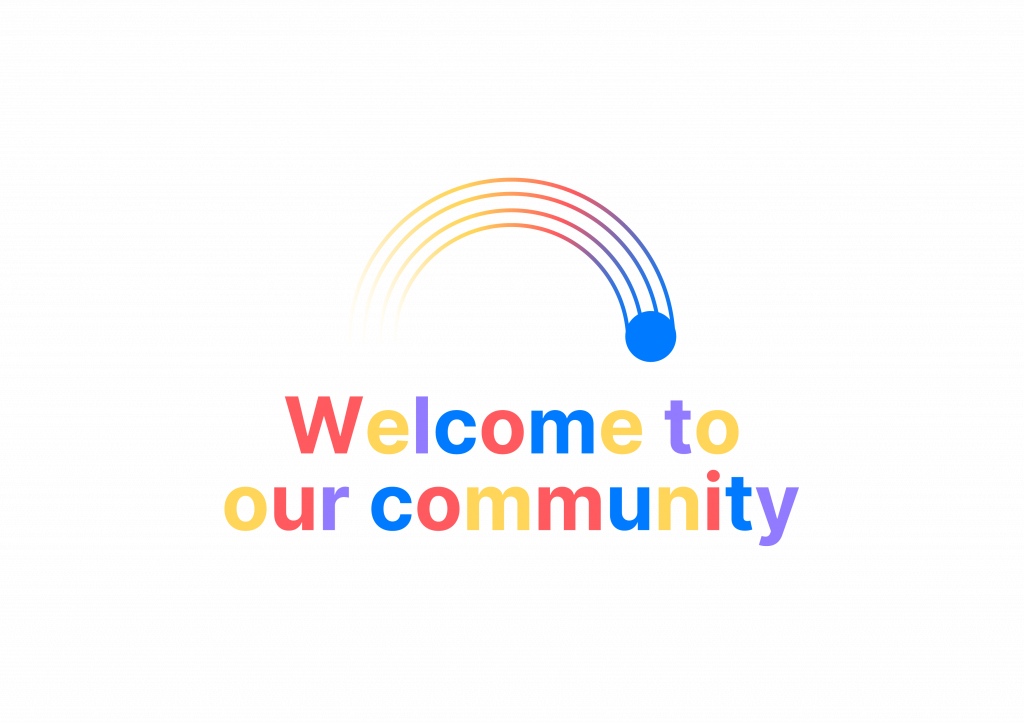
    I tested various ways to integrate the illustration with text elements such as “Welcome to our community”, aiming to find a layout that felt open, approachable, and rhythmically balanced.
    This exploration helped me understand how to visualise belonging through movement and how visual rhythm could support the brand’s welcoming tone.

    Initial Design Assets

    For this phase, I produced three key brand assets that visualise the early identity of Re:Play:
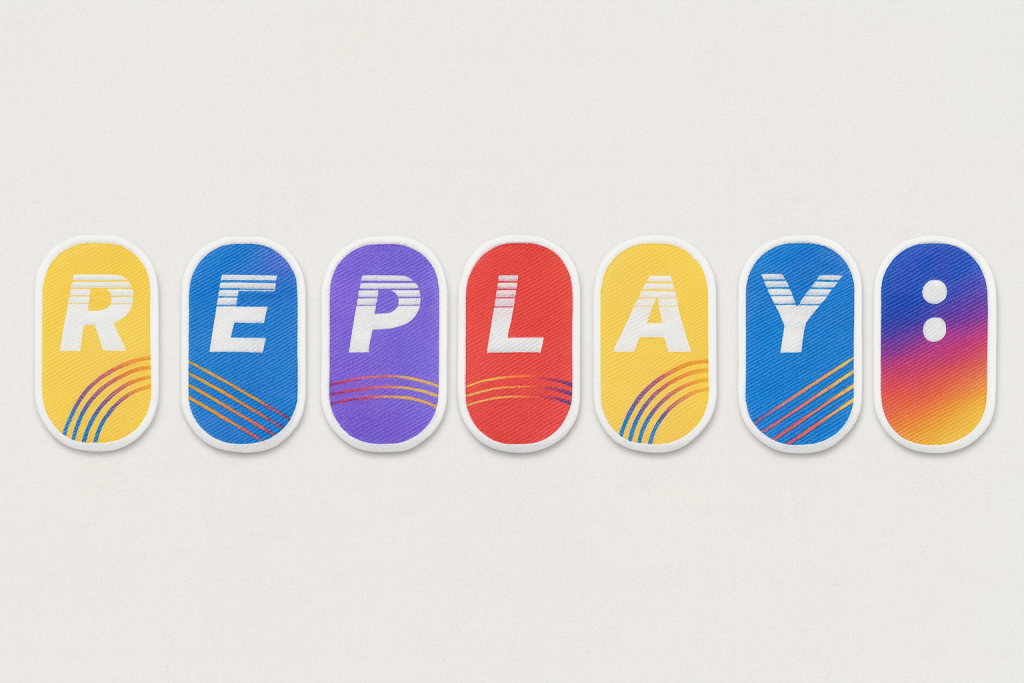
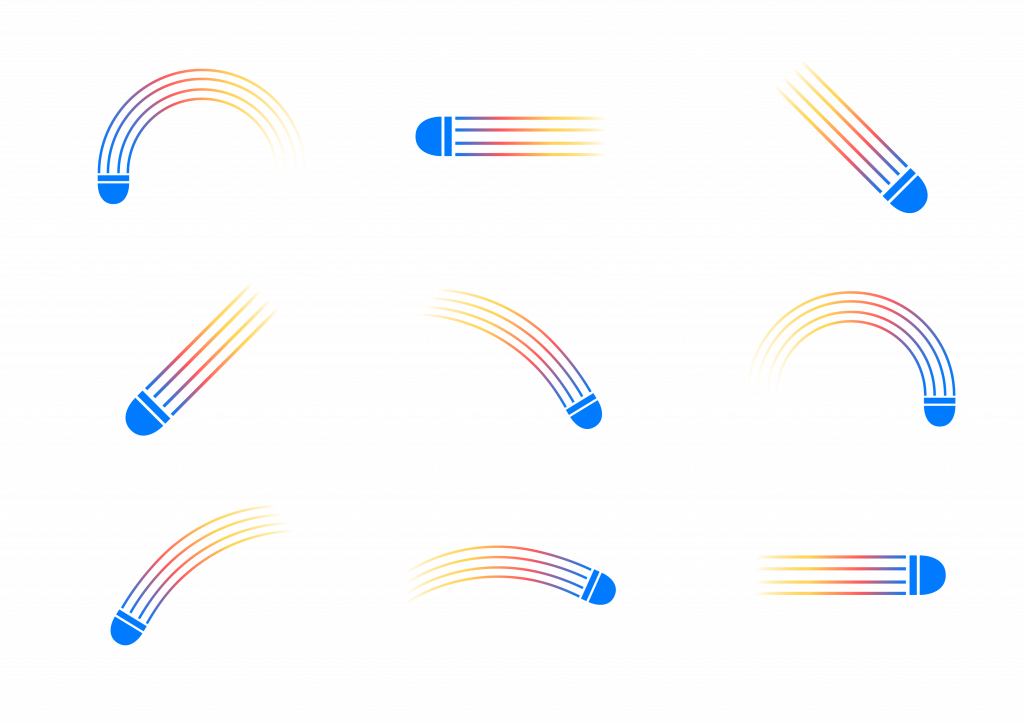
    1. Fabric Stickers – representing the collectible R, E, P, L, A, Y : tag system. Each colour and curve references movement and energy within the badminton hall.
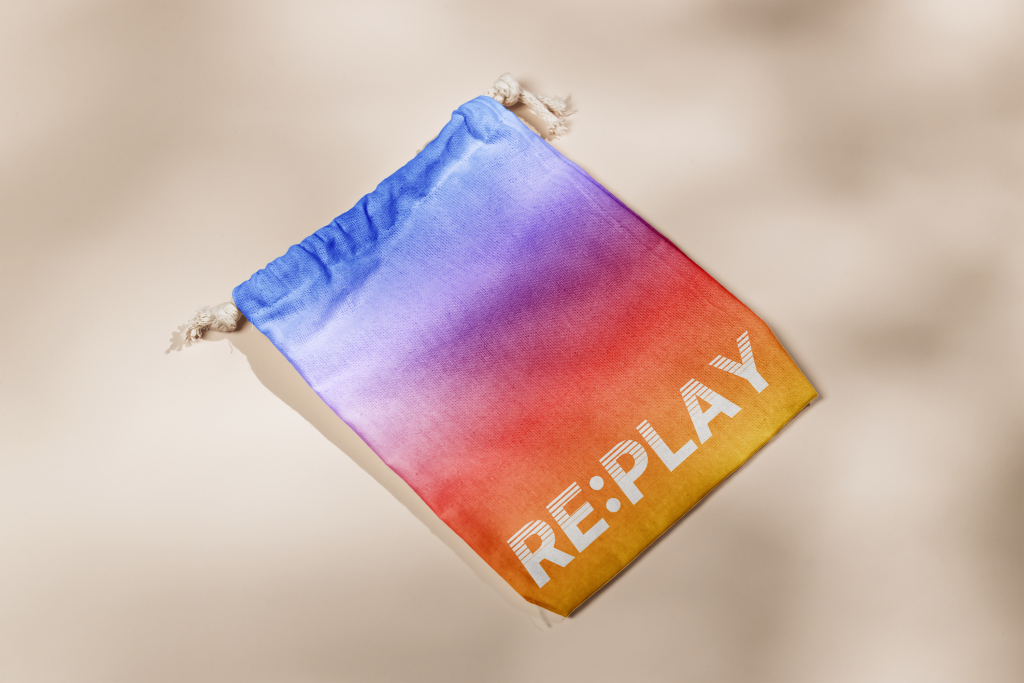
    2. Reusable Collection Bag – designed as a tactile, personal archive for players to store their collected tags. The soft gradient fabric reinforces the brand’s sensory focus on touch and motion.
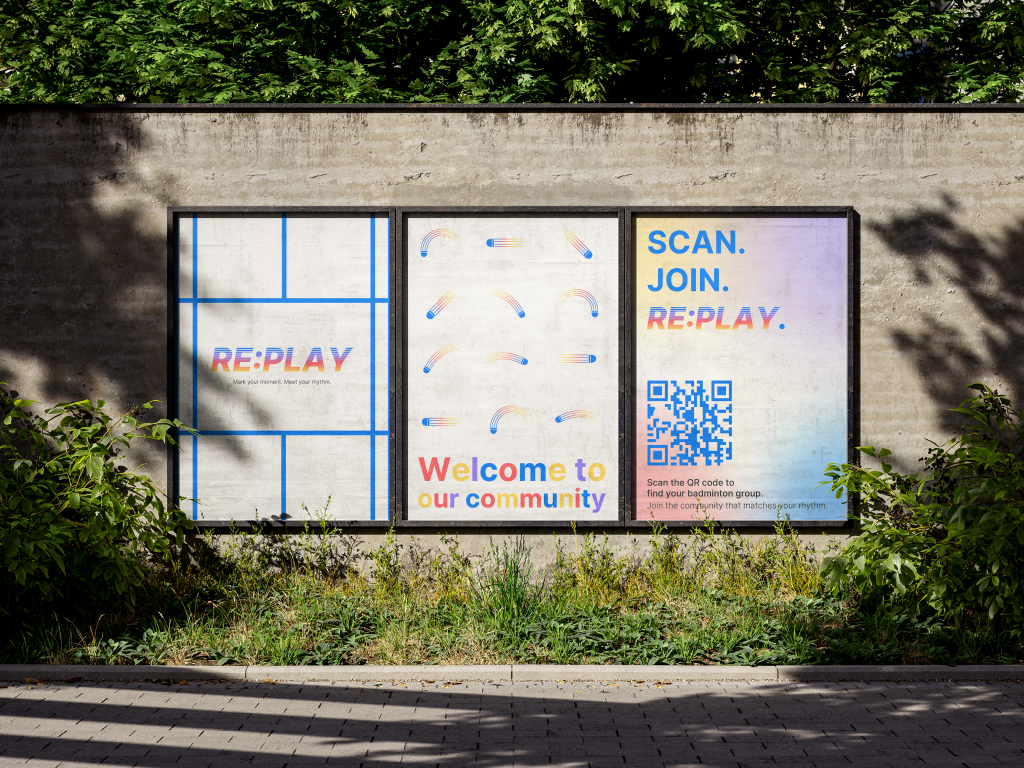
    3. Posters – positioned as public touchpoints for welcoming newcomers and promoting community visibility. The illustrations are based on the trajectories of shuttle movement Serve, Smash, Clear, Drop, and Drive translated into flowing curves and kinetic compositions.

    Design Rationale

    The identity currently focuses on rhythm, colour, and motion rather than literal representation of badminton.
    My intention was never to design a sports product brand, but a community experience brand.
    Therefore, the design language emphasises connection through rhythm rather than equipment or competition.

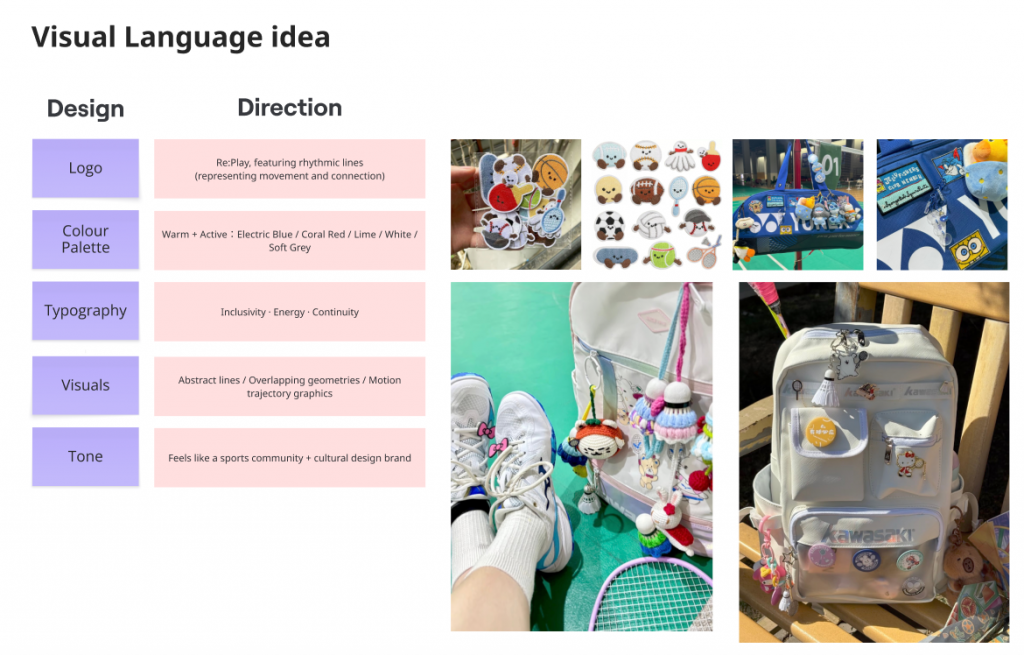
    The gradient palette emerged from my observation of players’ clothing and energy within the space sportswear in badminton culture is often vibrant, layered, and expressive.
    Rather than assigning symbolic meaning to each hue, I used gradients to visualise diversity in motion: multiple players, backgrounds, and tempos blending into a single shared rhythm.


    This reflects my earlier insight that belonging in badminton is dynamic, not fixed.

    Feedback Reflection

    During the recent feedback session, peers and tutors provided valuable perspectives that revealed gaps in clarity and communication:

    • Some viewers outside the badminton context perceived the visuals as belonging to a music or performance brand, due to the emphasis on rhythm and gradient colour.
    • Others noted that the brand could better communicate welcome and inclusion, suggesting that I integrate more explicit badminton cues (e.g. shuttle or racket forms).
    • A few comments encouraged the development of a distinct logo for the community itself, to strengthen its collective identity.

    This feedback highlighted an important challenge: balancing metaphorical design language (rhythm, connection, sound) with contextual specificity (badminton as cultural and spatial practice).

    Reconsideration and Next Steps

    Based on this critique, I am currently reframing my next design stage for Rotation 2:

    • Reconsidering the brand name (potentially Re:Match or Re:Game) to better align with the sporting context while preserving the idea of repetition and reconnection.
    • Exploring ways to integrate shuttle-inspired element possibly through iconography, motion lines, or texture so that the community connection is visibly anchored in badminton.
    • Refining the colour narrative, articulating how gradients express rhythm, diversity, and energy without becoming too abstract.
    • Continuing to test how the brand system functions socially, rather than visually how it enables players to feel recognised, included, and “in rhythm” with others.

    Reflection on Learning

    This design phase deepened my understanding of how visual identity operates as communication, not only aesthetics.
    Feedback revealed that clarity of intention is as crucial as conceptual strength.
    Designing for community requires empathy, translation, and iteration especially when representing intangible experiences like rhythm or belonging.

    In the next stage, I aim to create a more grounded visual system that balances symbolic meaning and recognisable form, ensuring that Re:Play (or its new form) resonates both with insiders of the community and with those encountering it for the first time.
  • Sensing Belonging: Re:Play from Observation to Brand Concept

    1. Revisiting My Community

    After the feedback session, I redefined my focus to the LSBU Sports Hall badminton community a place that truly represents my personal and cultural sense of belonging in London.
    Badminton is more than a sport for me; it’s a way to connect emotionally, socially, and culturally. The rhythm of rallies, the sound of the shuttle, and the synchronised movement of players form a shared language of belonging.

    As an international student, this community gives me a sense of home. It reminds me that belonging is not fixed by place or language, but by rhythm, participation, and shared presence. Through play, I experience both grounding and release a balance between personal focus and collective energy.

    2. Observation and Sensory Mapping

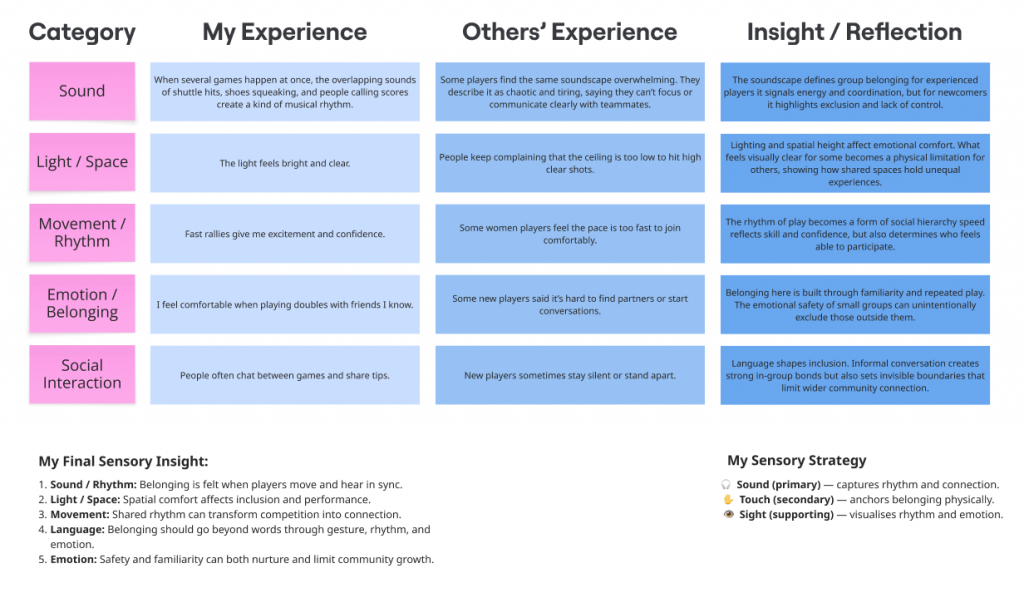
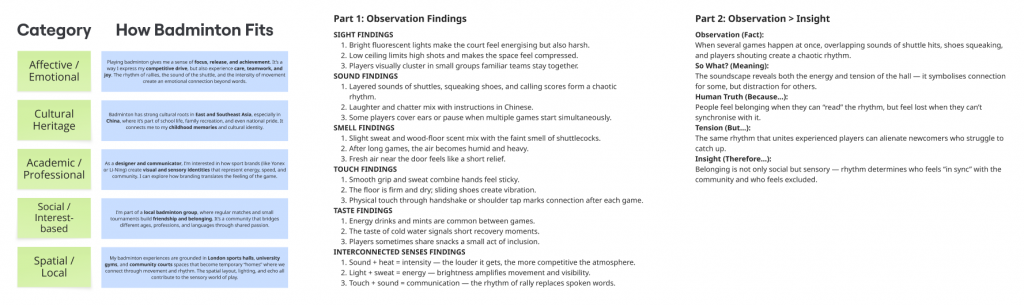
    Using sensory ethnography, I documented how belonging is expressed through five sensory and behavioural categories: sound, light/space, movement, emotion, and social interaction.

    Key Findings

    • Sound: overlapping hits, squeaks, and calls form a rhythmic soundscape a mix of focus, chaos, and familiarity.
    • Light / Space: bright fluorescent lighting energises but also compresses the visual field.
    • Movement / Rhythm: rallies produce both physical connection and social hierarchy speed signifies belonging.
    • Emotion / Belonging: comfort comes from familiarity and repetition; small in-groups form through routine.
    • Social Interaction: conversation between matches and small gestures like passing shuttles act as unspoken rituals of inclusion.

    Insight: Belonging in this community is not spoken but performed through rhythm, gesture, and timing.
    The same rhythm that unites experienced players can also isolate newcomers who can’t yet “read” the pace of the hall.

    3. Community Insights and Voices

    Through short conversations with players from Monday, Thursday, and Sunday sessions, I found that the badminton community’s sense of belonging is rhythmic and situational rather than stable.

    Least-heard voices

    Quiet or transient members those who join alone or move between clubs often remain unnoticed, even though their quiet participation still contributes to the hall’s rhythm.

    Expression of belonging

    Players connect through movement and coordination more than through language. Laughter, rallies, and small gestures build inclusion; belonging emerges through shared timing rather than speech.

    Community perception
    1. You can recognise someone’s play by sound.
    2. The airflow by the side door is the best place to rest.
    3. The ceiling’s too low for clear shots.

    These comments reveal how physical space, rhythm, and interaction intertwine. The environment itself choreographs belonging it dictates pace, comfort, and visibility within the group.

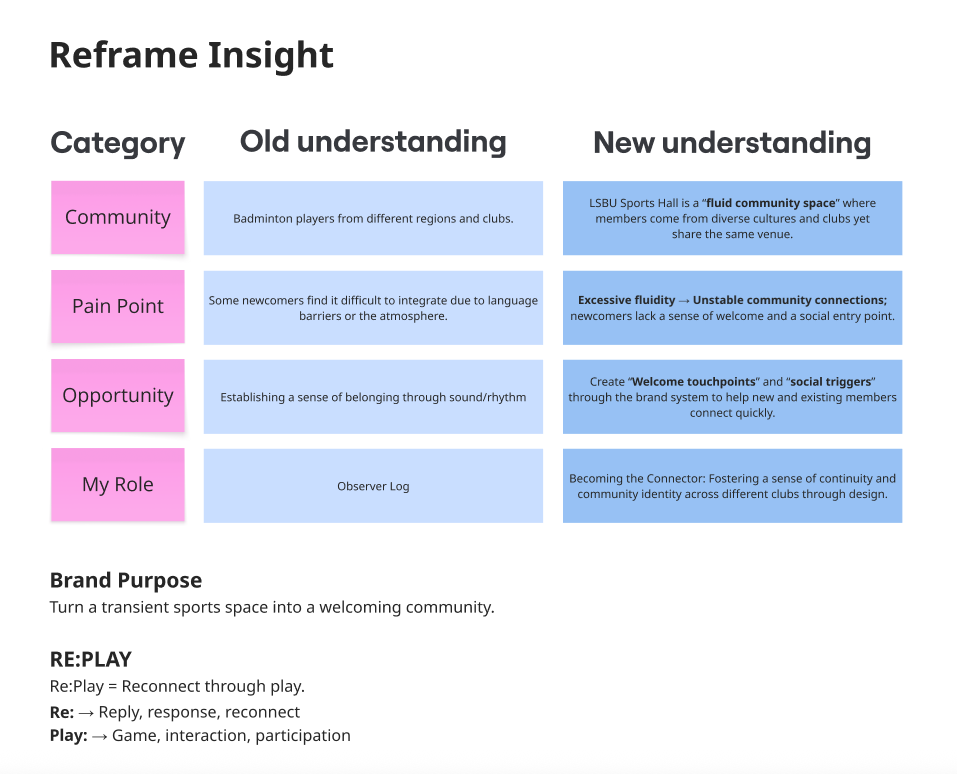
    5. Reframing Insight

    This reframing clarified the purpose of my design: to transform a transient sports space into a welcoming community.

    6. Brand Concept Development from Idea to Re:Play

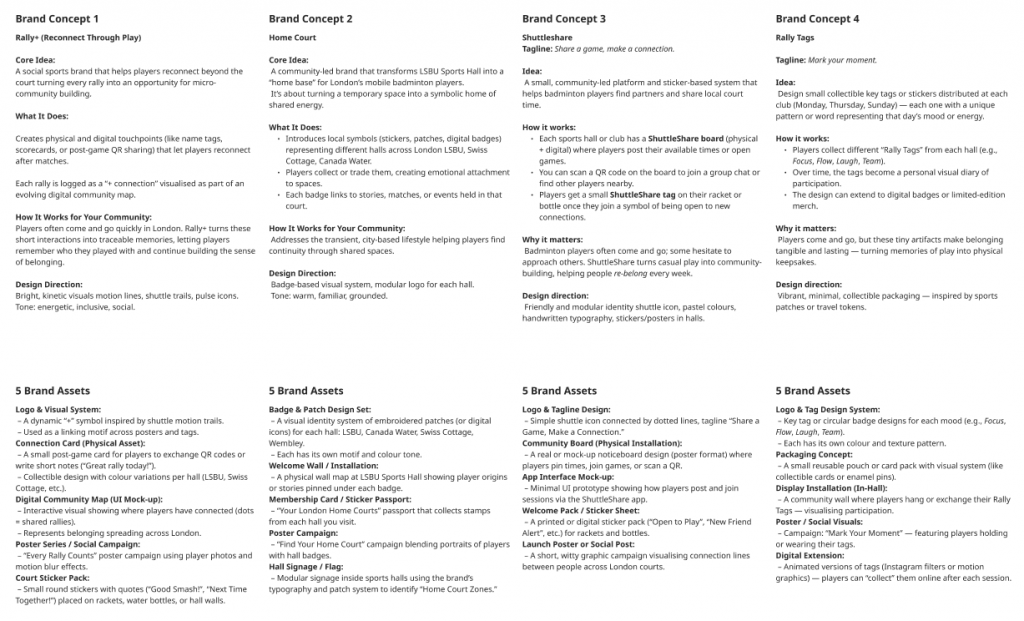
    I explored several directions during concept ideation Rally+, ShuttleShare, Home Court, and Rally Tags each testing how visual design can translate connection through motion.
    After feedback, I selected Rally Tag as the foundation because it embodies the physicality of play and turns invisible connections into tangible memory objects.

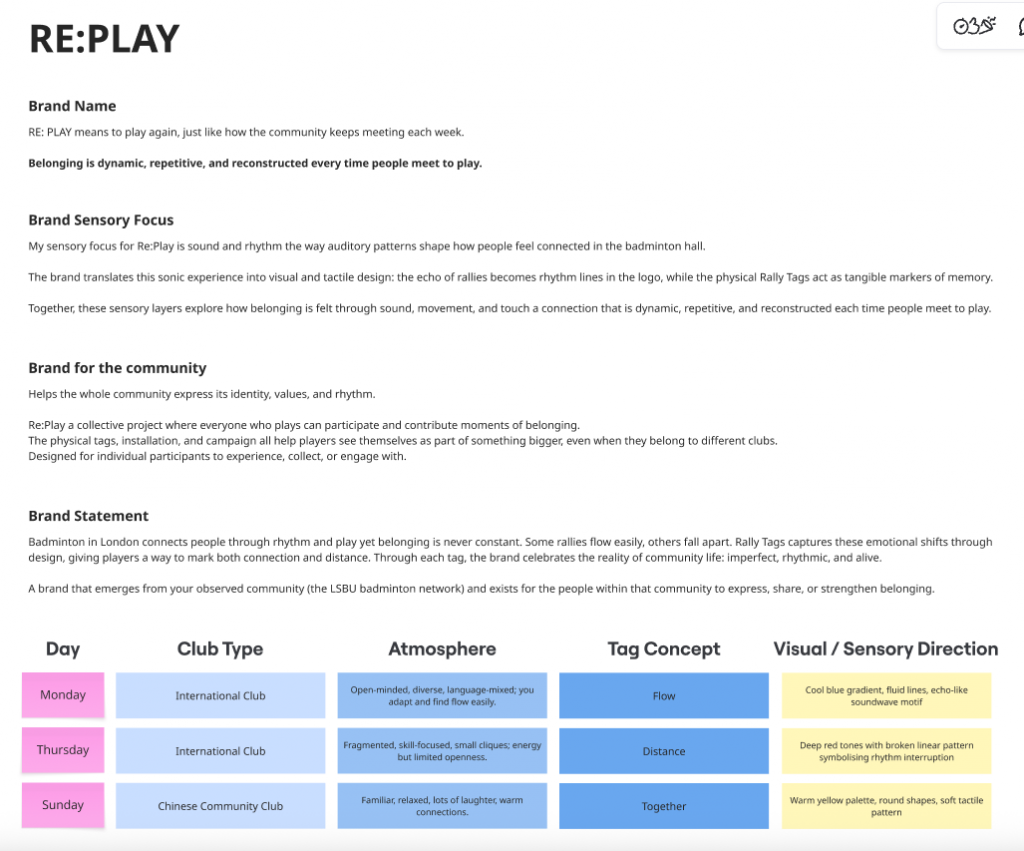
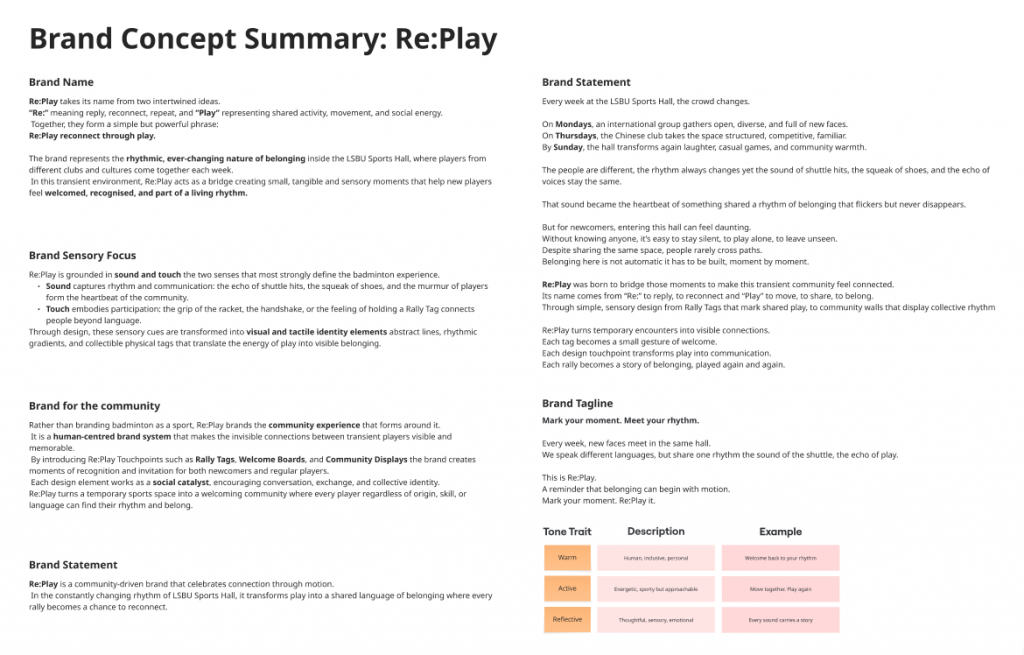
    The final brand name emerged as RE:PLAY, built from two ideas:
    Re: reply, response, reconnect
    Play: game, interaction, participation

    Together, Re:Play symbolises the repetitive, rhythmic nature of community life belonging that is reconstructed every time people meet to play.

    7. Brand Concept: Re:Play connect through Motion

    Brand Purpose

    To transform a transient sports hall into a welcoming and connective community, where every game becomes a chance to reconnect.

    Brand Statement

    Re:Play is a community-driven brand that celebrates connection through motion.
    In the constantly changing rhythm of LSBU Sports Hall, it transforms play into a shared language of belonging where every rally becomes a moment to mark, remember, and reconnect.

    Sensory Focus

    • Sound captures rhythm and communication: the echo of shuttles, the squeak of shoes, the murmur of players.
    • Touch embodies participation and physical connection the grip of the racket, handshake, or collecting a tag.

    Through design, these sensory cues are translated into visual and tactile identity elements abstract lines, rhythmic gradients, and collectible physical tags.

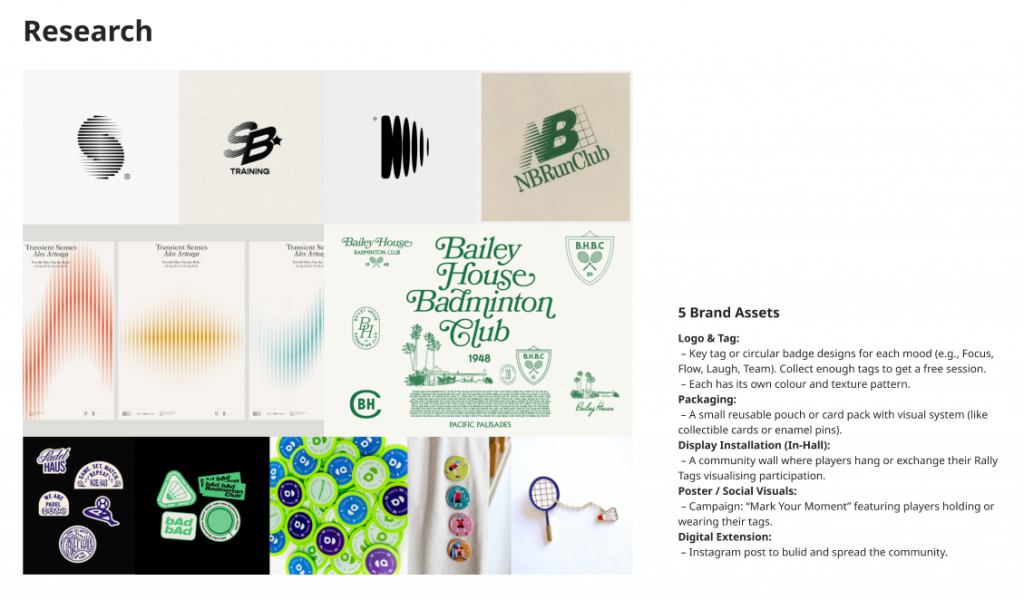
    8. Brand Assets

    1. Logo & Tag System

    A collectible tag series forms the core of Re:Play’s identity.
    Each week’s session releases a fabric sticker—R, E, P, L, A, Y—with the “:” tag as a limited edition.
    Players attach them to their badminton bags, gradually spelling RE:PLAY as they attend more sessions.
    Completing the full set unlocks a free session transforming participation into playful motivation.

    2. Packaging Design

    A reusable fabric pouch allows players to store and display their tags. It serves as both a tactile keepsake and a record of community presence.

    3. Animation for Sports Hall Display

    A looping animation of rhythmic lines and shuttle trails projected inside LSBU Hall acts as a digital pulse of belonging, reminding players that every rally adds to the shared rhythm.

    4. Posters & Social Visuals

    Three main posters communicate Re:Play’s tone:

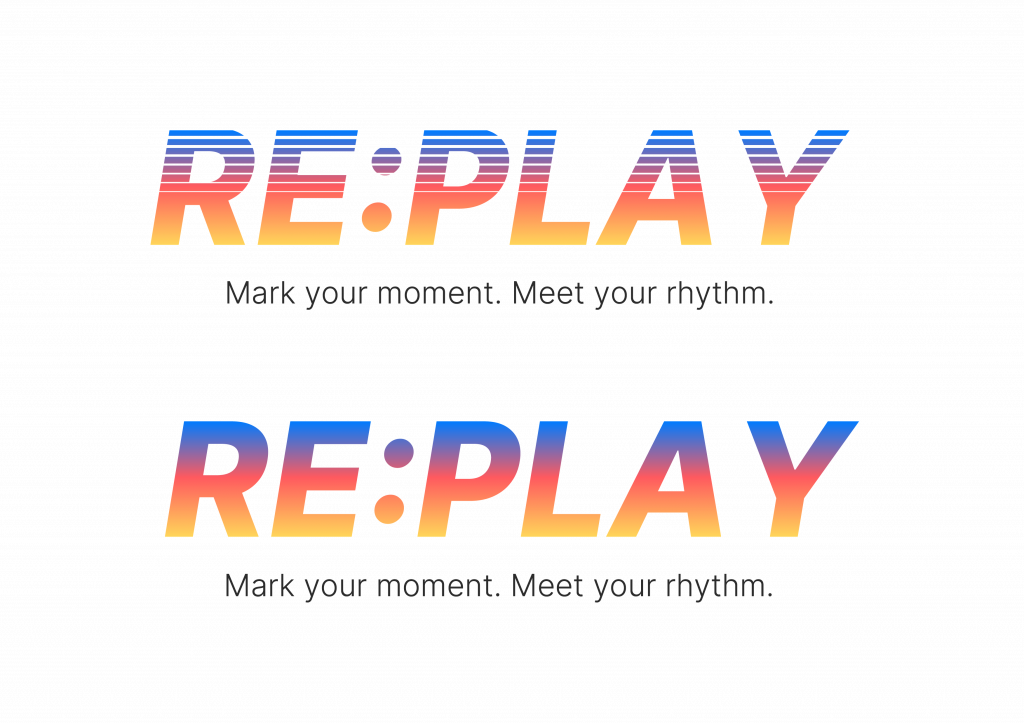
    1. Mark your moment. Meet your rhythm.
    2. Welcome to our community.
    3. Scan. Join. Re:Play.

    These are adapted for social media and digital screens to attract new members.

    5. Digital Extension

    An Instagram page and WhatsApp group allow players to connect between sessions bridging online continuity and offline participation.

    9. Reflection

    Re:Play taught me how methodology can evolve into brand strategy. What began as sensory observation of light, sound, and rhythm developed into a systemic understanding of community dynamics.
    Through ethnography, mapping, and reframe, I learned that design can act as a connector turning motion, sound, and shared space into a collective identity.

    Belonging is dynamic, not static.
    It happens in rhythm, repetition, and the moments when people play together again.

    This project helped me see myself not just as a designer but as a translator between movement and meaning, using visual and sensory design to make invisible social bonds visible.

  • Week 4 Sensory Ethnography Community Mapping

    Sensing Belonging: The LSBU Badminton Community

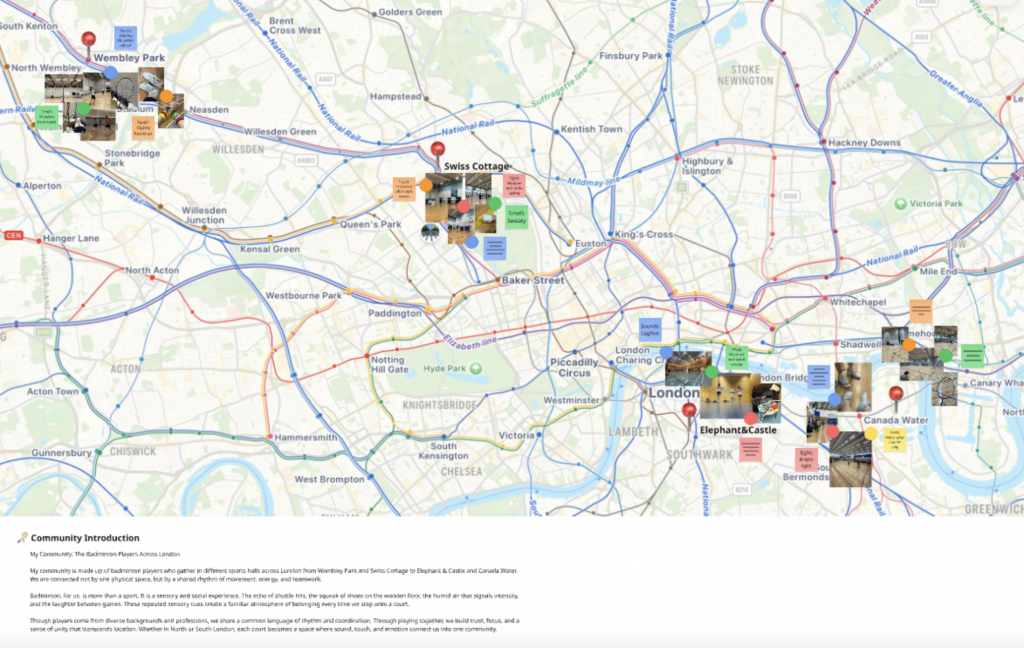
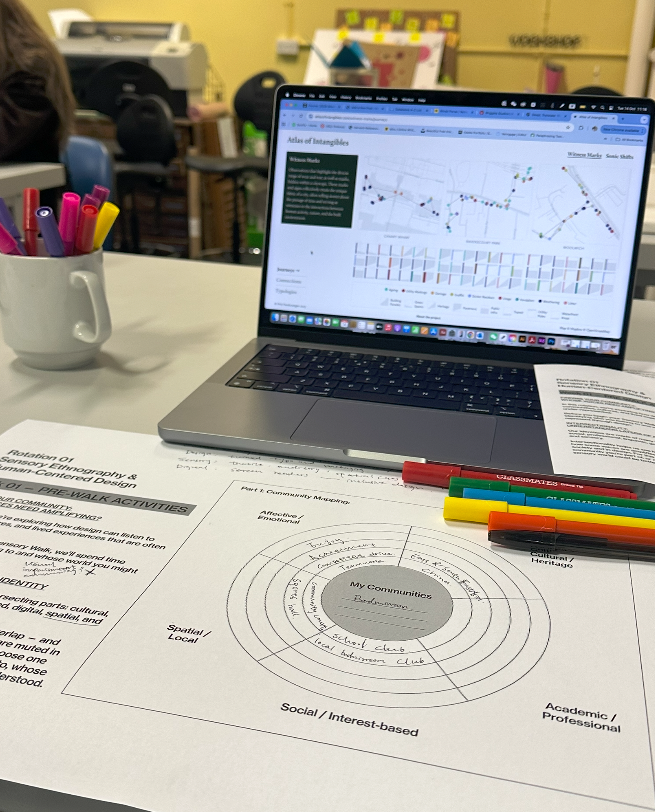
    My chosen community is the badminton community, which I belong to both culturally and socially. It connects to my emotional well-being, cultural background, and creative curiosity. Through this project, I explore how the sensory experience of badminton — sound, rhythm, motion, and teamwork — can be understood through design. It’s a community that unites people across languages and identities through shared energy and play.

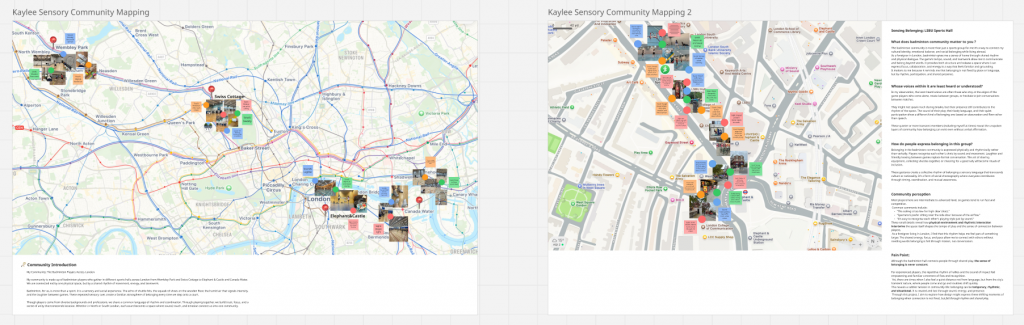
    At the beginning, my community mapping covered four different areas in London Wembley Park, Swiss Cottage, Elephant & Castle, and Canada Water where I joined various badminton clubs using an app over the past two years. These clubs weren’t connected by a single location, but by a shared rhythm and energy that bonded players through play.

    After the Thursday feedback session, I decided to narrow my focus to the LSBU Sports Hall, a place I visit most frequently. This helped me go deeper into sensory observation and analyse how design can express the feeling of belonging through motion and sound.

    Revised Mapping: LSBU Sports Hall

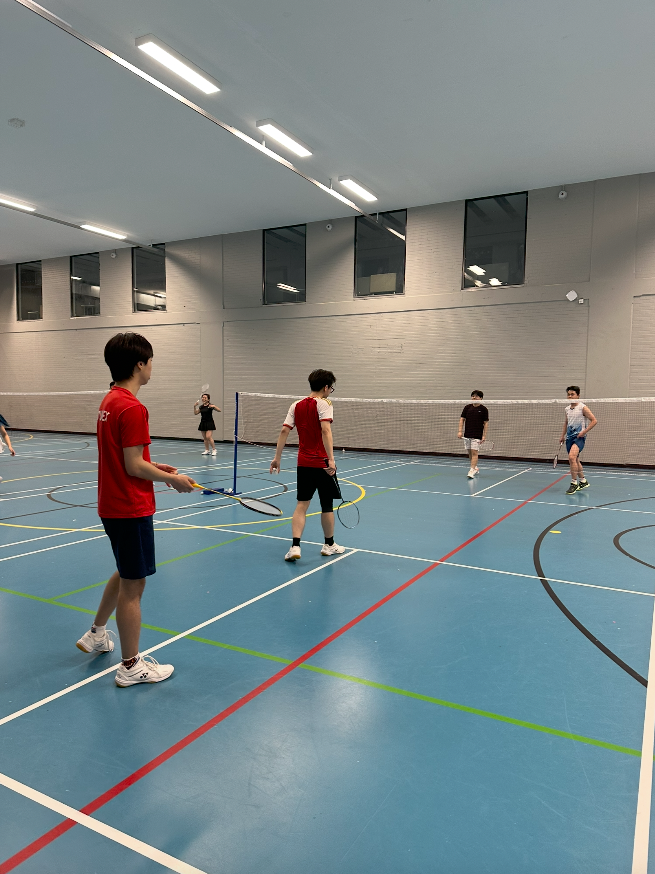
    The LSBU Sports Hall feels compact and enclosed, amplifying every sound and movement. The crisp impact between the shuttlecock and racket becomes a rhythmic cue a language of motion that every player can understand.
    When I play, I can almost “hear” the style of my opponent before I see it. The echo of shuttles, shoes sliding, and voices merging create a soundscape that feels both competitive and comforting.

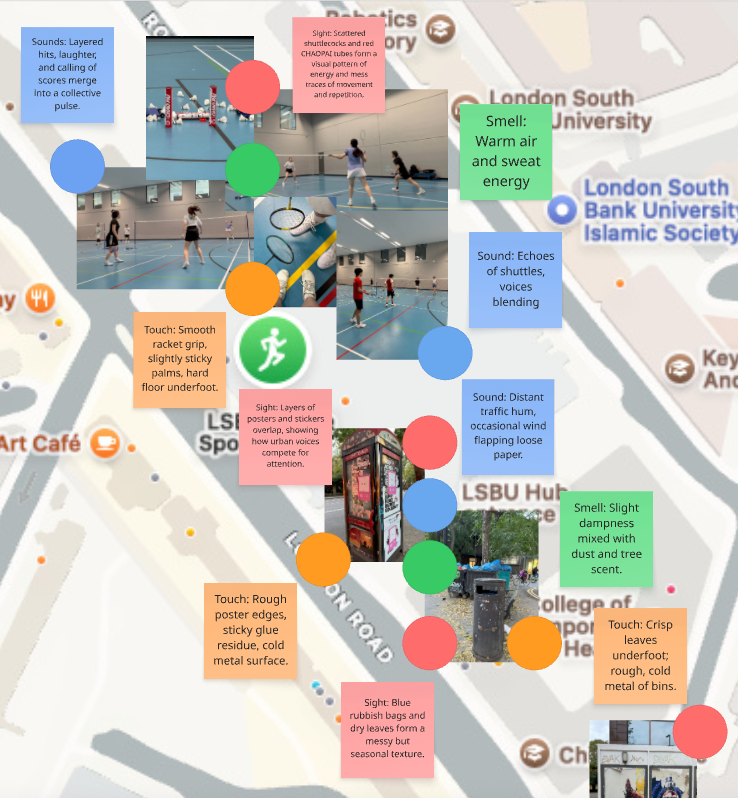
    My new mapping focuses on sensory impressions:

    • Sound: Layered hits and shouts merge into a rhythmic pulse.
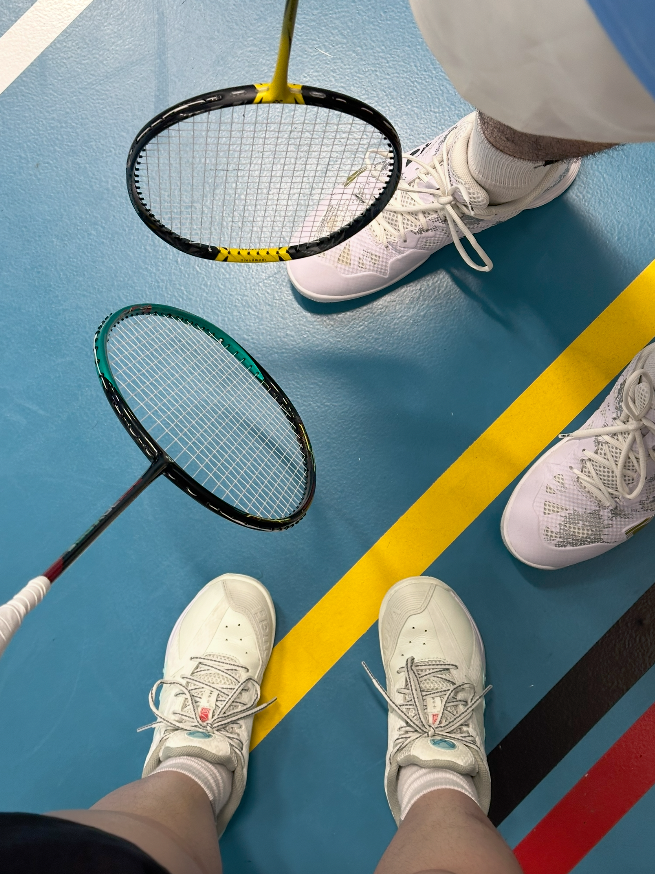
    • Touch: Smooth racket grip, sticky palms, and the solid bounce of the floor.
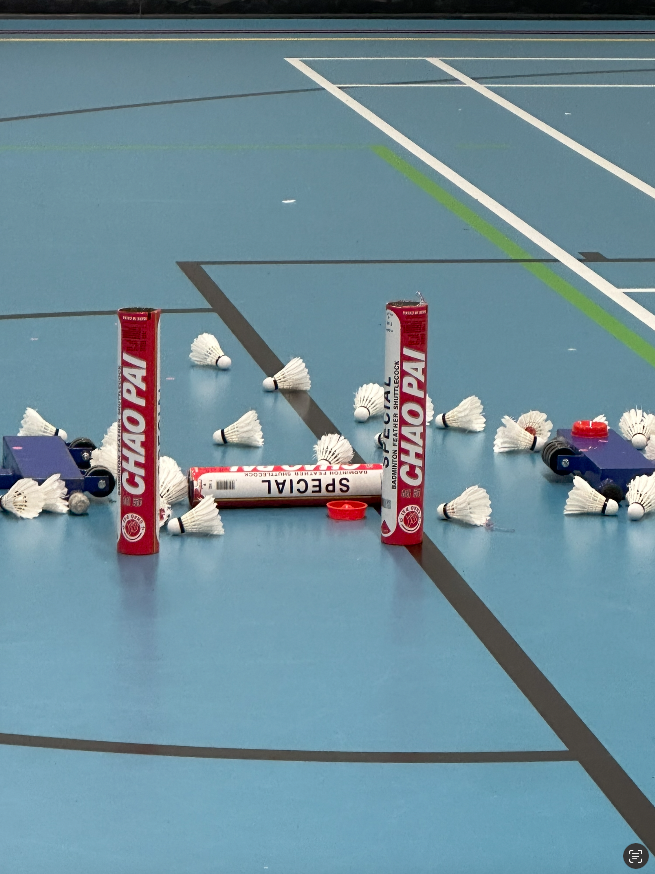
    • Sight: Scattered shuttlecocks and red Chao Pai tubes visualise energy and repetition.
    • Smell: Warm air and sweat a mix of effort and community.
      Together, these sensations form an embodied experience of focus and connection.

    These sensory layers together describe how badminton embodies community not through words, but through rhythm, energy, and shared focus.

    Community Perception

    I usually join three different badminton clubs each week:

    • Monday: International group, organised by a foreign host.
    • Thursday: Club run by Chinese players at LSBU.
    • Sunday: A Chinese community club.

    Each group has its own rhythm Monday feels more social and mixed, Thursday more intense and skill-focused, and Sunday more familiar and culturally connected.

    For me, as a foreigner living in London, these sessions are not only about sport but also about finding emotional belonging. The sound of the shuttlecock, the laughter, and even the friendly competitiveness remind me of home.ural on Mondays to more structured and familiar on Sundays.

    Pain Point

    Although badminton connects people through shared play, the sense of belonging can still fluctuate.
    Sometimes, I feel fully part of the community through rhythm, teamwork, and mutual understanding without words.
    Other times, I feel slightly distanced not because of language barriers, but because of the transient nature of city communities where people come and go quickly.

    Reflection

    At first, I misunderstood what sensory ethnography meant I focused too much on visuals and not enough on human experience. After receiving feedback, I realised that I needed to observe how emotions and senses construct belonging.


    This project helped me understand that my badminton community is not defined by space, but by movement, rhythm, and social energy.

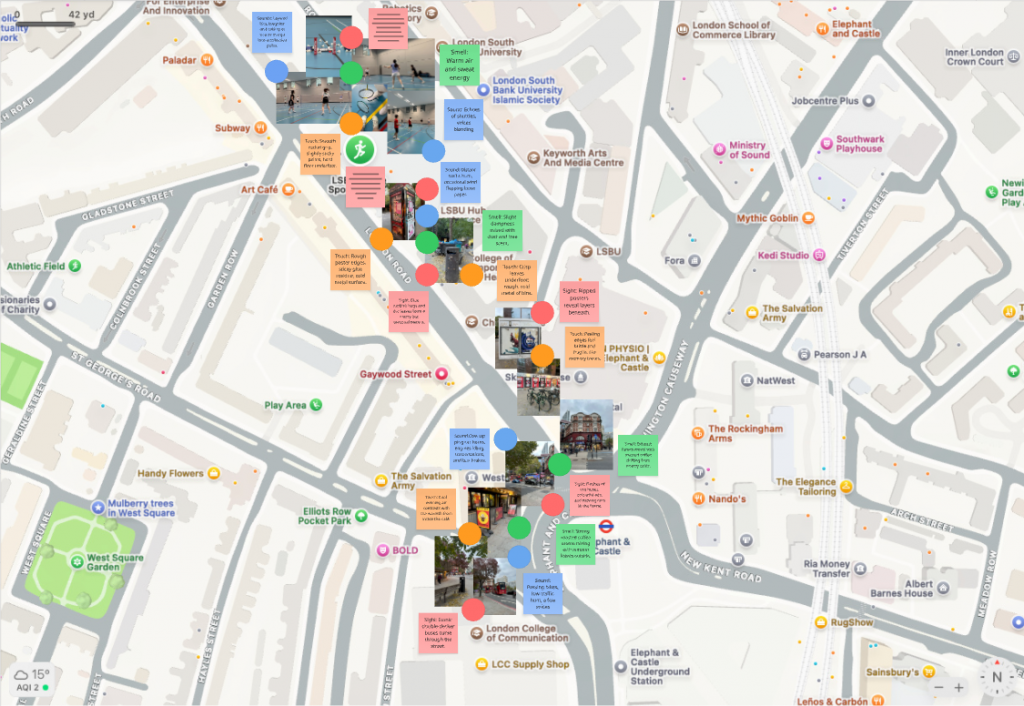
  • Week 4 Sensory Ethnography Walk

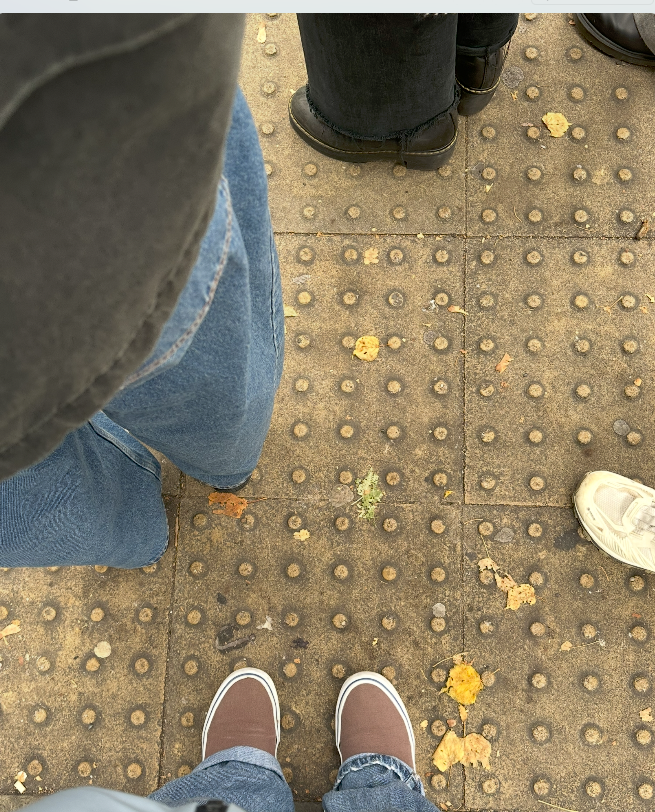
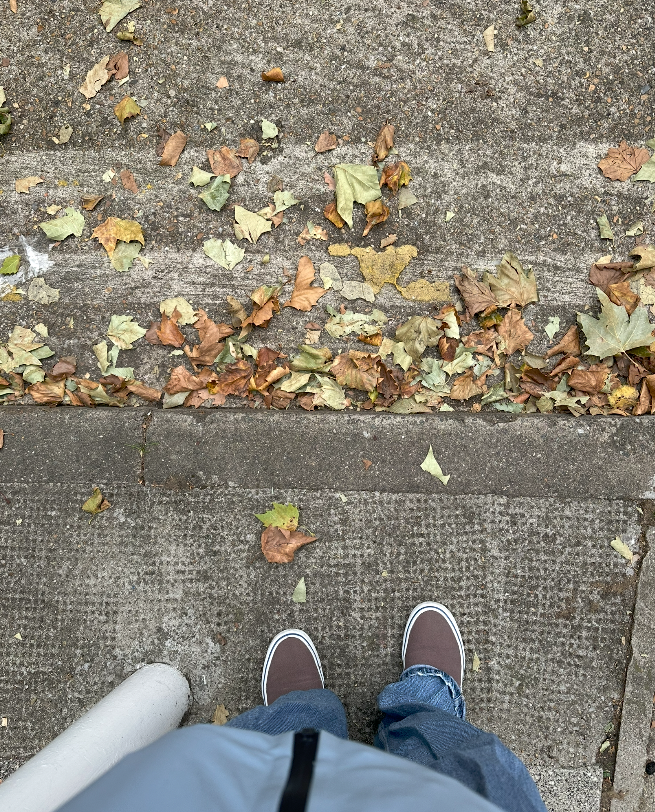
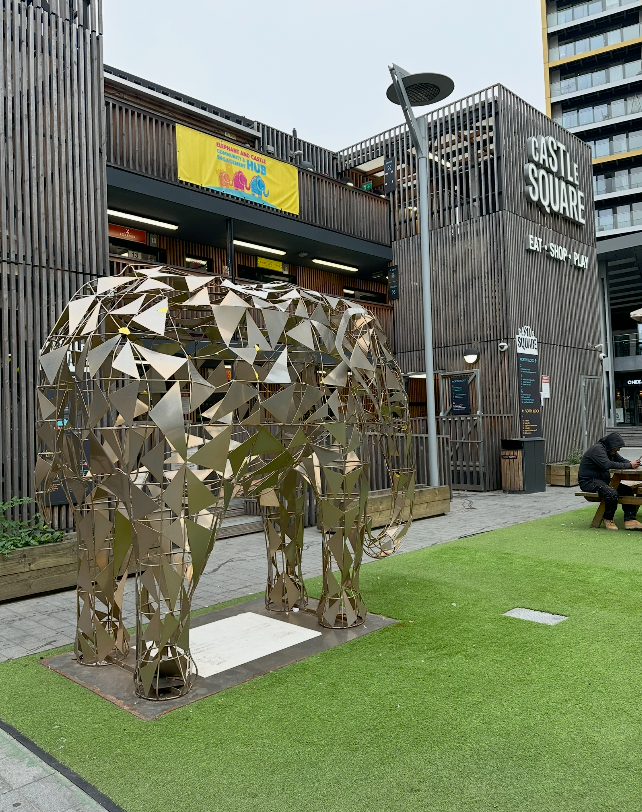
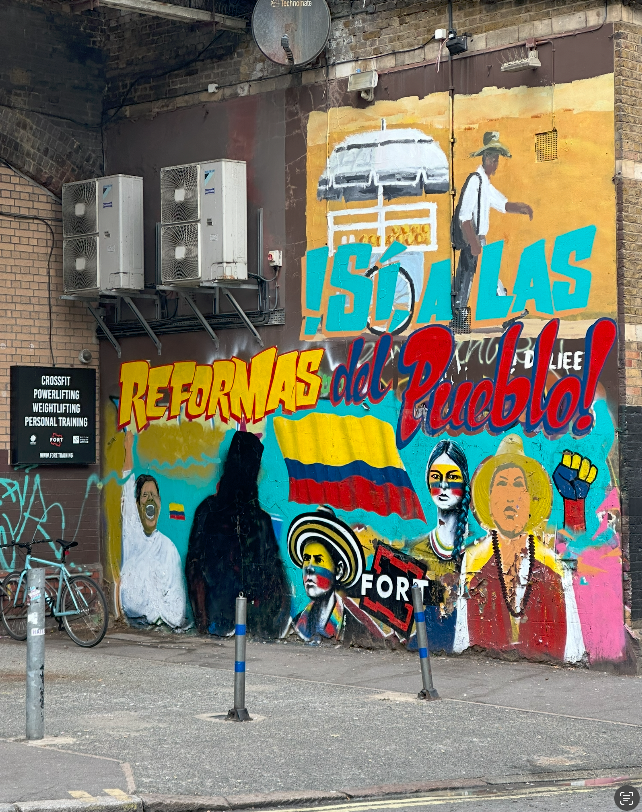
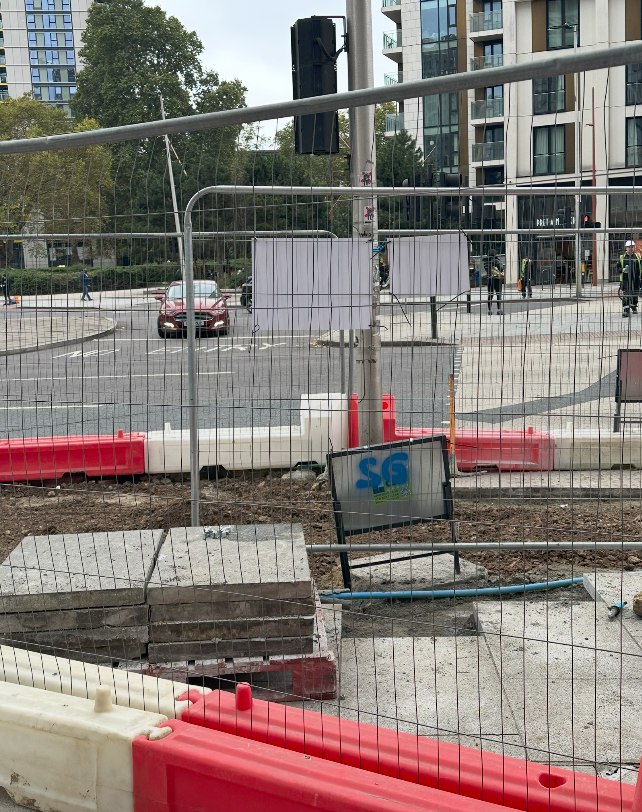
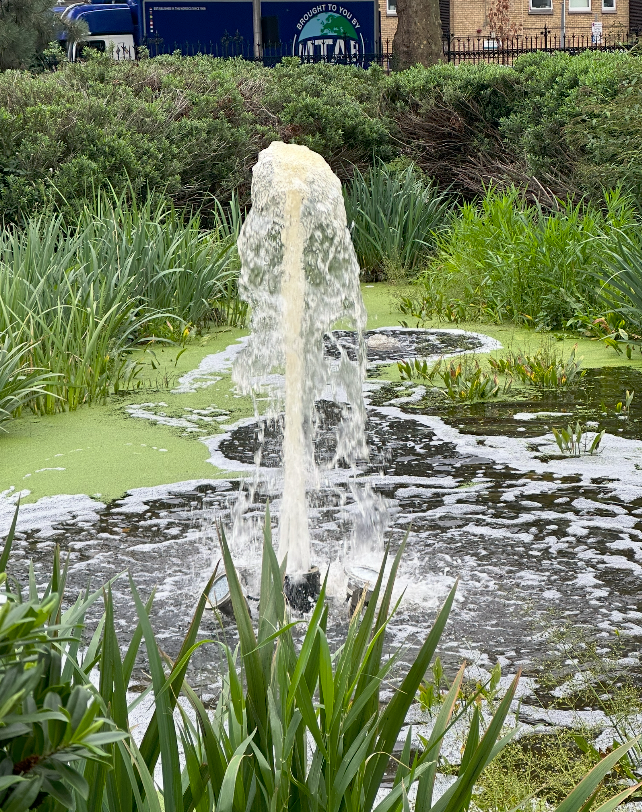
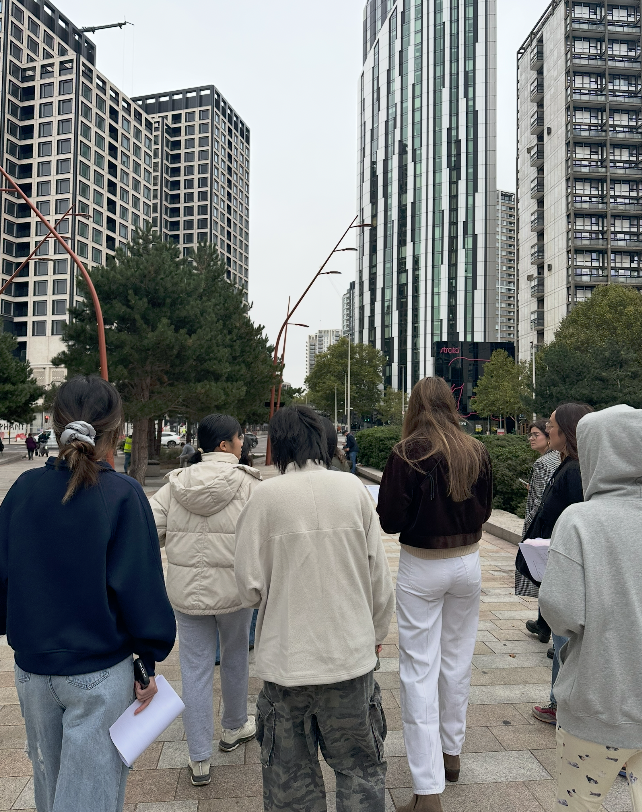
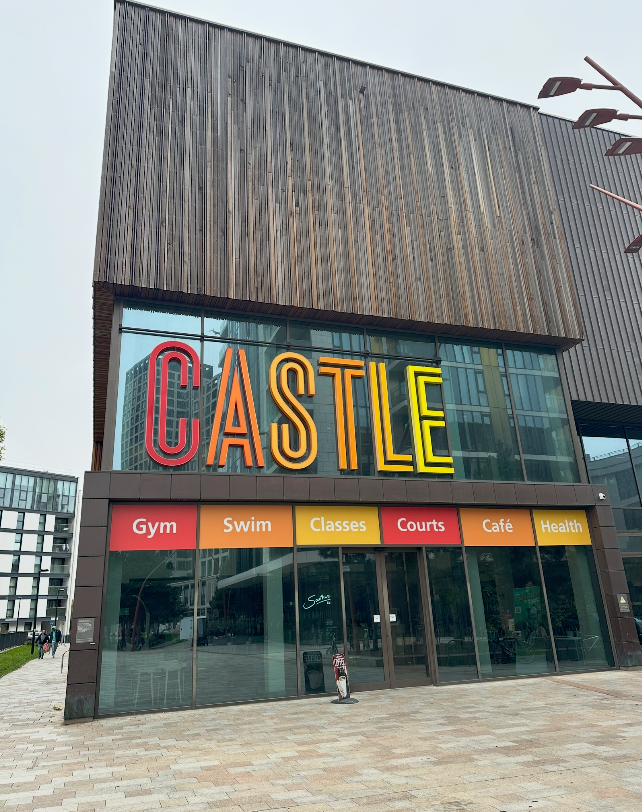
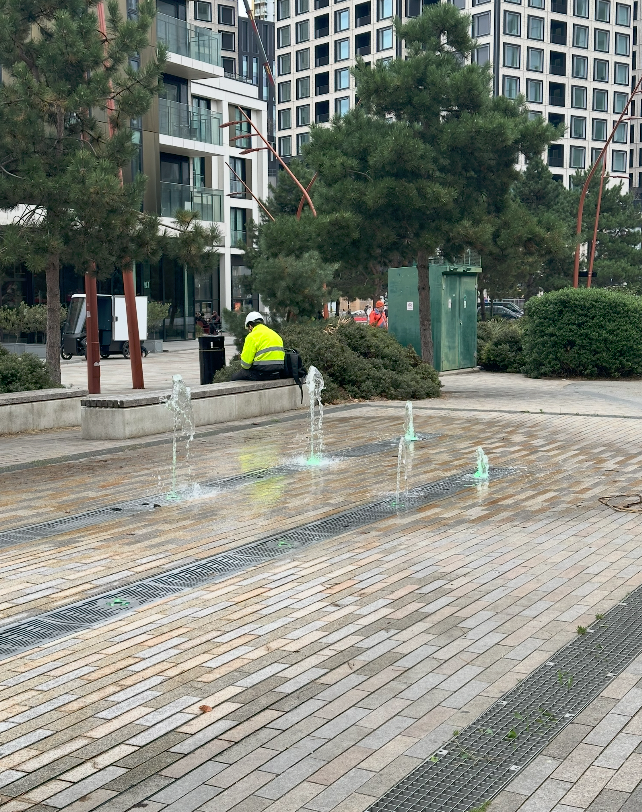
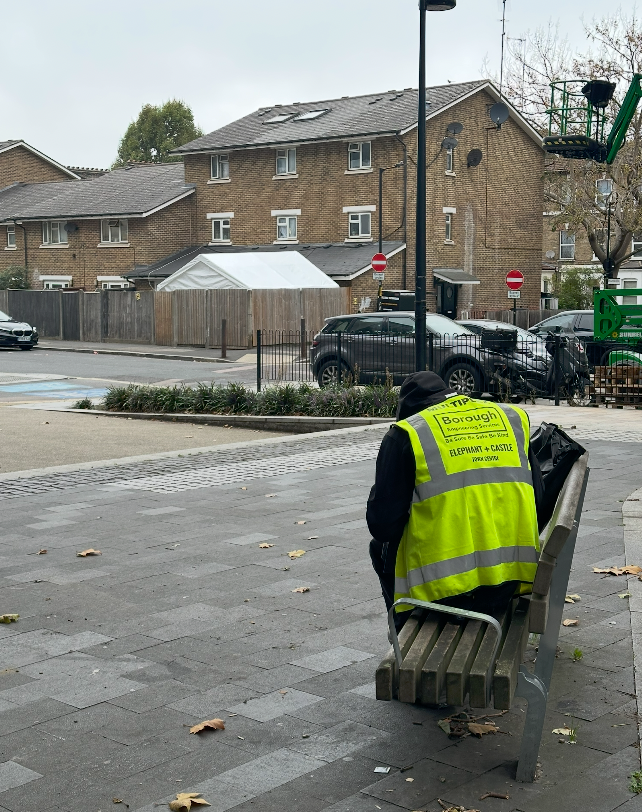
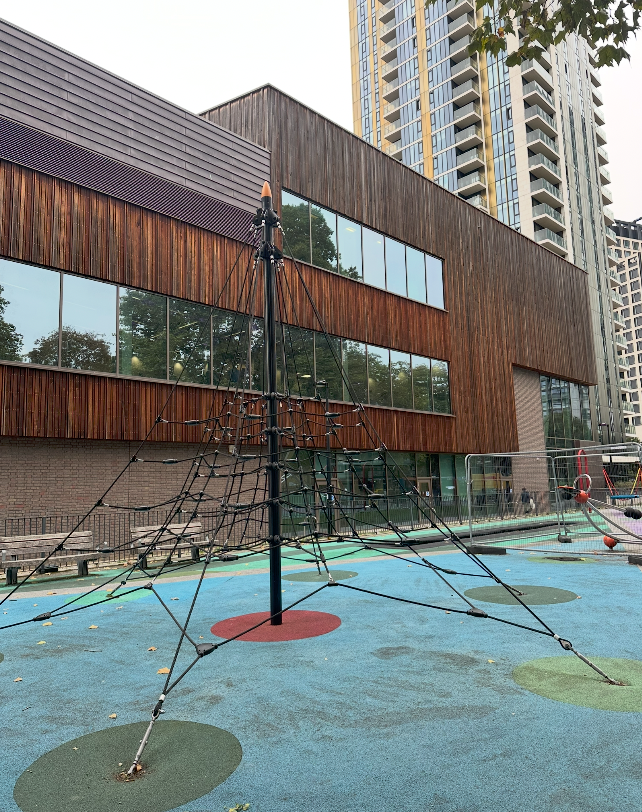
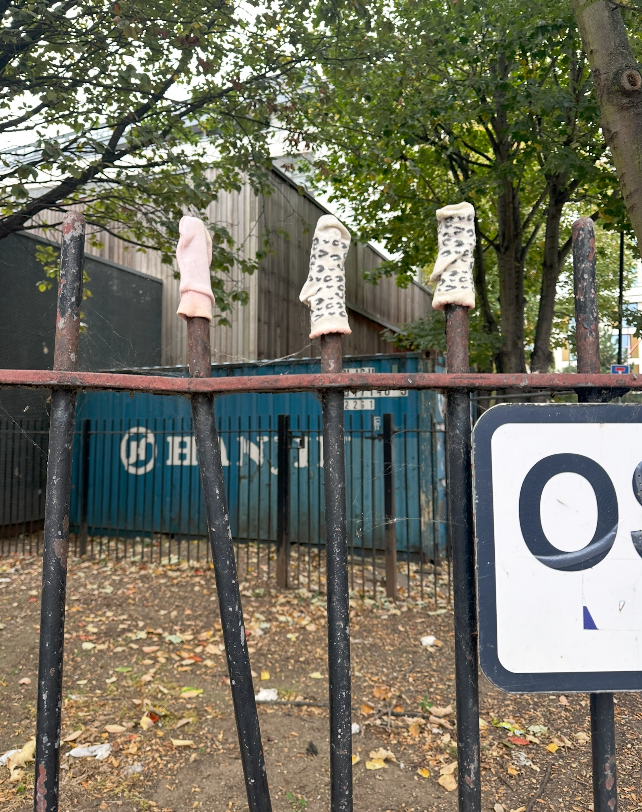
    During the Sensory Ethnography workshop, we were asked to walk around Elephant & Castle and record our impressions through the five senses. At first, I felt quite confused about the purpose of this task. I wasn’t sure whether I was meant to record my personal feelings, or to connect it with my own community. However, as I began walking, I realised the activity was about training our ability to observe the world through embodied experience noticing how sound, smell, texture, and movement shape the atmosphere of a place.

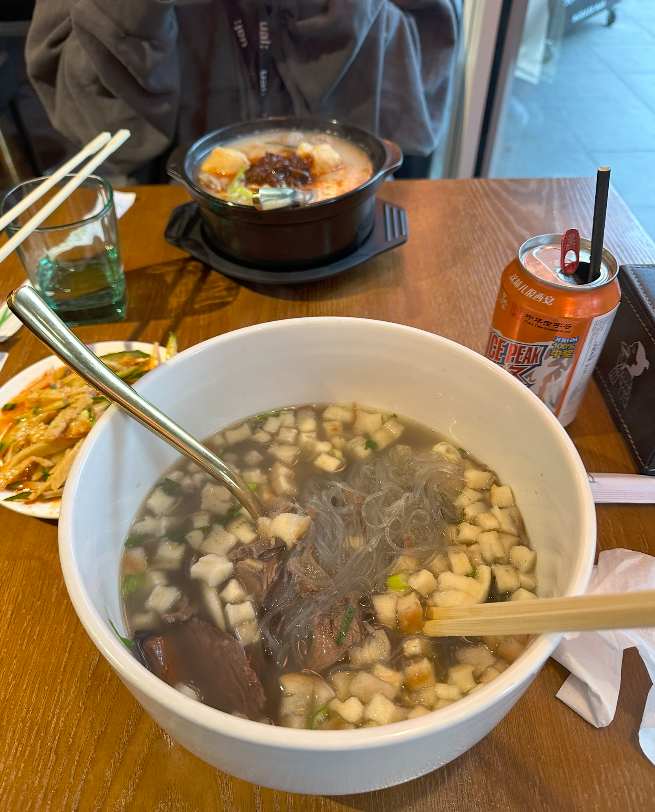
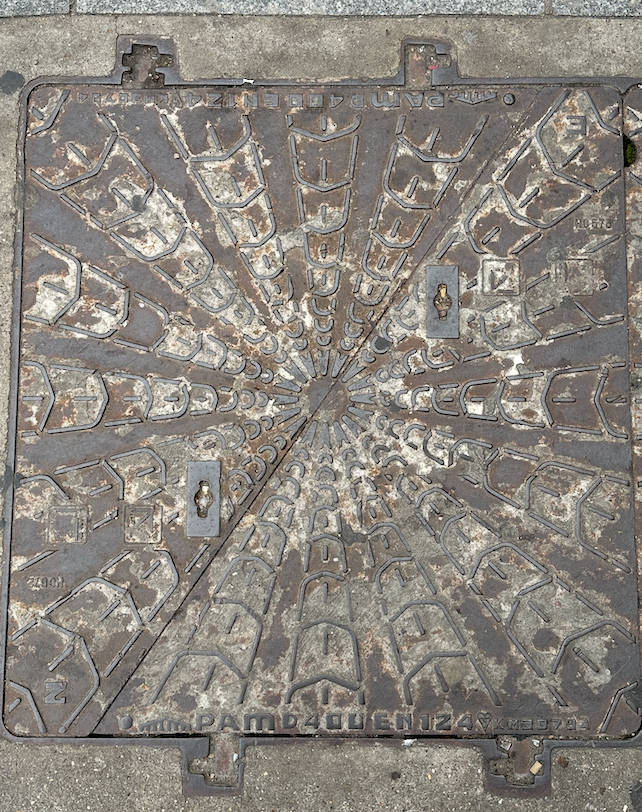
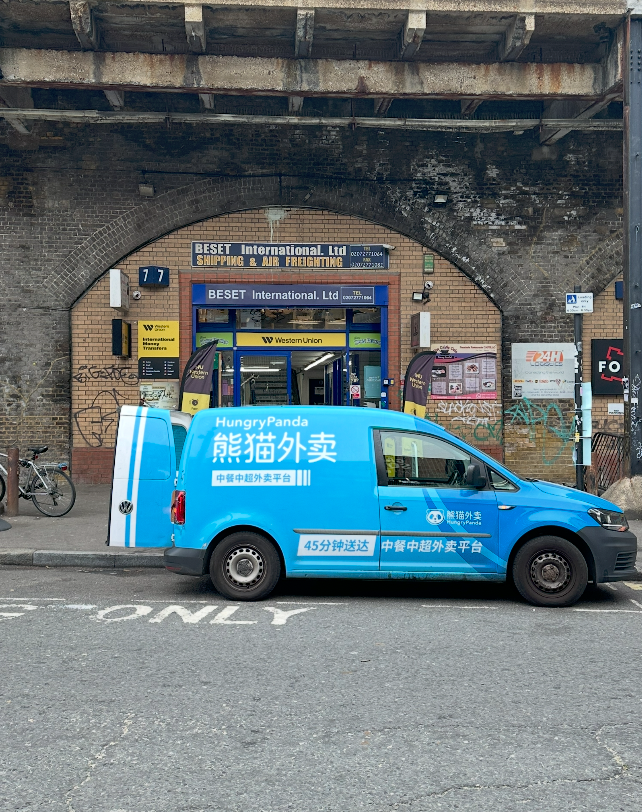
    The environment felt cold and windy, with the rhythmic noise of buses, cars, and people passing by. I noticed red buses moving through the grey sky, and a strong smell of rubbish near the street corners. At one point, the smell of food from nearby stalls made me feel unexpectedly hungry showing how emotion and memory can be triggered by sensory cues.

    Through this process, I learned how sensory ethnography allows designers to feel rather than just analyse. Even though I was unsure at first, I now understand this walk as a method for exploring belonging and identity through sensory experience. Moving forward, I want to apply this approach to my badminton community, capturing how sound, rhythm, and space shape our shared sense of energy and connection.